week of july 22-31, 2024
Dear Congregants, we will be away until the end of the month.
We will have our regular Wednesday morning services
as well as Shabbat evening and morning services throughout July.
Once again, please know how grateful I am for your constant support of all our activities.
Online or in person, my deep respect and gratitude for being a part of our community.
Shalom v'Ahava,
Rabbi Victor Urecki
DAILY AND SHABBAT SERVICES
Morning Services
Wednesday Morning - 7:30 AM
(followed by breakfast)
Morning Minyan
SHABBAT SCHEDULE
July 26th, 2024/ 21st Tammuz, 5784
Candle lighting Time: 8:24 PM
Parshat Pinchas
Numbers 25:10-30:1
Friday - 5:45 PM
Friday Night Services
Saturday Morning - 10:00 AM
Saturday Morning
(Kiddush Luncheon follows)
We will have our regular Wednesday morning services
as well as Shabbat evening and morning services throughout July.
Once again, please know how grateful I am for your constant support of all our activities.
Online or in person, my deep respect and gratitude for being a part of our community.
Shalom v'Ahava,
Rabbi Victor Urecki
DAILY AND SHABBAT SERVICES
Morning Services
Wednesday Morning - 7:30 AM
(followed by breakfast)
Morning Minyan
SHABBAT SCHEDULE
July 26th, 2024/ 21st Tammuz, 5784
Candle lighting Time: 8:24 PM
Parshat Pinchas
Numbers 25:10-30:1
Friday - 5:45 PM
Friday Night Services
Saturday Morning - 10:00 AM
Saturday Morning
(Kiddush Luncheon follows)
OUR SYMPATHY
|
Sherman "Nemo" Nearman
Monday, July 15, 2024 Charleston, WV Dear Congregants, With deep sadness, we inform you of the passing of our beloved friend and revered member of B'nai Jacob Synagogue, Sherman "Nemo" Nearman. Nemo is survived by his daughter Pauline “Polly” Webb (Joshua), sons Merrill Nearman (Sandra) and Henry Nearman (Tammy) of Charleston; grandchildren Megan (KC Egnor), Ethan, Zoey and Davey; great-grandchildren Josiah and Shaun, and step great-grandson Trevor. The funeral for Nemo will take place on Thursday July 18th at B'nai Jacob Synagogue at 12:00 PM with burial immediately following at the B'nai Jacob Eternal Home. Following the burial, the family will return to the Synagogue and an afternoon minyan will take place at approximately 2:00 PM. The link to the funeral service can be found here and the link for the afternoon minyan can be found here. May the Holy One, Blessed Be He, comfort the entire Nearman family among all the mourners of Zion and Jerusalem. Rabbi Victor Urecki |

|
|
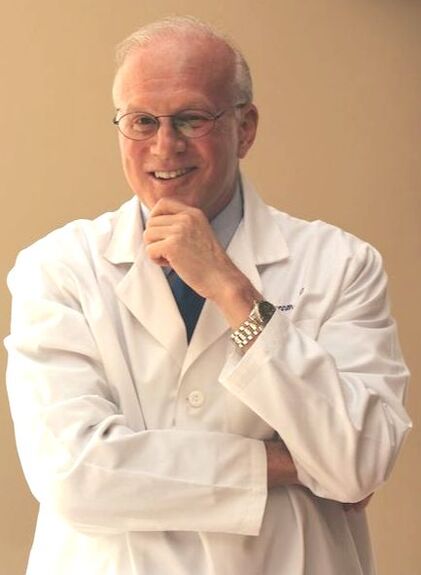
Dr. Martin Z. Kanner
February 9, 2024 Pikesville, MD Dear Congregants, It is with deep sadness that we inform you of the passing of our dear friend and lifelong member of our B'nai Jacob Synagogue, Martin Kanner. Marty is survived by his four siblings, Ted and Shelley Kanner of Charleston, Henry and Ellen Kanner of Framingham, Massachusetts, Peggy and Joel Kundin, of Pittsburgh, Pennsylvania, and Sally and Todd Levenson of Pittsburgh Pennsylvania. He’s also survived by 14 nieces and nephews and 13 great nieces and nephews. He was the oldest son of our dear and beloved friends, Harry and Jeannette Kanner, of blessed memory. The funeral service for Marty will take place on Monday, February 12th at 11:00 AM at the Barlow Bonsall Funeral Home with burial at the B'nai Jacob Eternal Home Cemetery, South Charleston. Immediately following the burial, the family will return to the home of Ted and Shelley Kanner and begin their shiva/mourning period. The first shiva minyan will take place at approximately 1:00 PM, with shiva minyanim continuing on Tuesday and Wednesday at 5:45 PM. The zoom link for the minyan each day can be found here. May the Holy One, Blessed Be G-d, comfort Marty's family and friends among all the mourners of Zion and Jerusalem. Rabbi Victor Urecki |
|
|
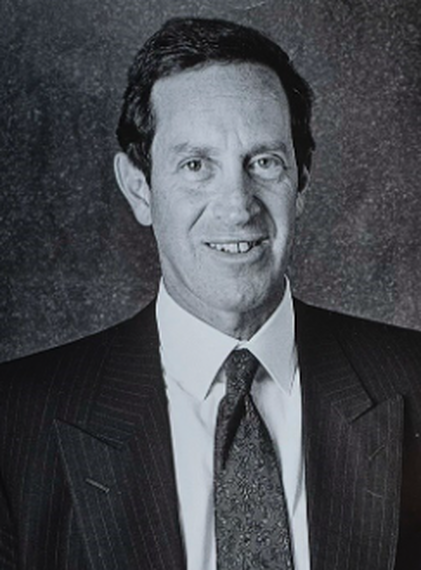
Dr. Amiel Gershon Cooper
Wednesday, January 31, 2024 We are saddened to report that Dr. Amiel Gershon Cooper of Jamaica Plain, MA, and South Newfane, VT, passed away on January 31, 2024. He was born in Charleston, WV, on September 26, 1936 to Rabbi Samuel and Lillian (Bass) Cooper. A beautiful obituary and video of Dr. Cooper can be found here. |
|
|
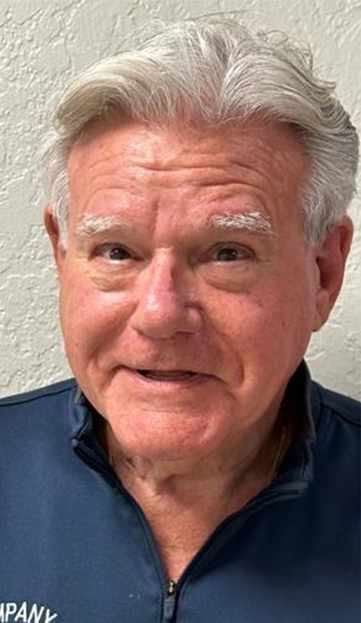
Stuart May
Tuesday, January 30, 2024 Boca Raton, FL Dear Congregants, It is with deep sadness that we inform you of the passing of our beloved friend, past President of B'nai Jacob Synagogue and revered member and leader of our community, Stuart May. Stuart is survived by his wife Susan, his brother Herb (Joyce), sister-in-law Carolyn and several nieces and nephews, great nieces and nephews, and "Little Brother" Kenneth. The graveside funeral service for Stuart will take place on Wednesday, February 7th at 11:00 AM at the South Florida VA National Cemetery in Lake Worth, Florida. Immediately following the burial, the family will return home to begin their shiva/mourning period where a shiva minyan will be held at home. May the Holy One, Blessed Be G-d, comfort Stuart's family and friends among all the mourners of Zion and Jerusalem. Rabbi Victor Urecki |
|
|
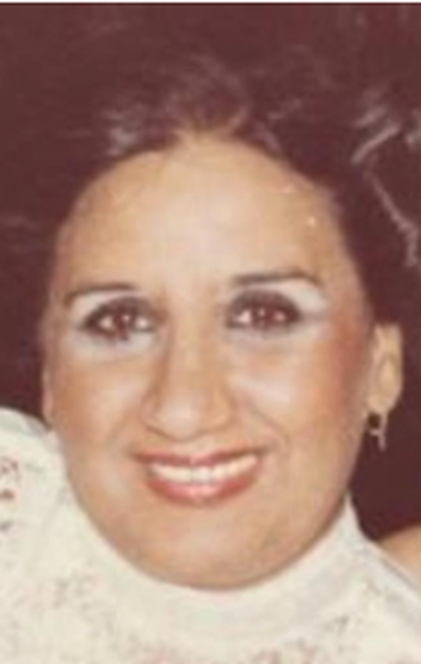
Rachel Ohana Ruben
Tuesday, October 31, 2023 Charleston, WV Dear Congregants, It is with deep sadness that we inform you of the passing of our beloved friend and a revered member of our synagogue and community, Rachel Ruben. Rachel is survived by her daughters Lisa Walden and Elizabeth Friedman (Robert), grandchildren Ilana Garzon (Phillip), Eric Walden, and Lauren Friedman; great grandchildren Ari, Mia and Eliza Garzon. Rachel was predeceased by her husband Carl Ruben and son Max Ruben. The graveside funeral service for Rachel will take place on Thursday November 2nd at 1:00 PM at the B'nai Jacob Eternal Home Cemetery in South Charleston. Following the burial, the family will return home to begin their shiva/mourning period. The shiva minyanim will begin on Thursday night at 5:45 PM at the Ruben residence and available online here. May the Holy One, Blessed Be G-d, comfort Rachel's family and friends among all the mourners of Zion and Jerusalem. Rabbi Victor Urecki |
|
|
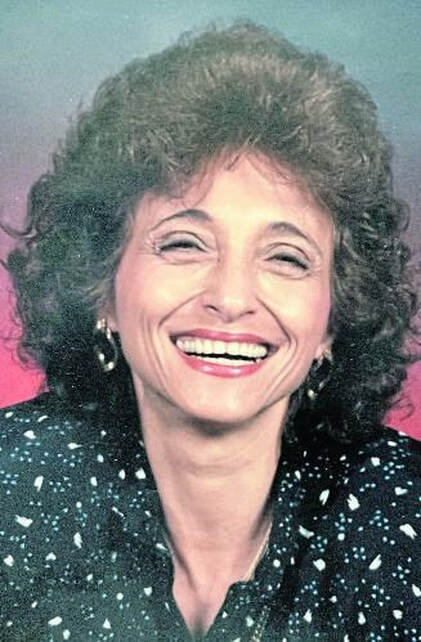
Barbara Sherman Abshire Buchanan
October, 10, 2023 Charleston, WV Dear Congregants, It is with deep sadness that we inform you of the passing of our dear friend and beloved member of our synagogue, Barbara Abshire Buchanan. Barbara is survived by her sons, Larry Abshire (Donna), Jerry Abshire (Cindy) and daughter Sandy Brogan (Walter); grandchildren, Jessica Perkins (Kristopher), Michael Pugliese, Joseph Abshire, Kristen & Melissa Abshire, Tiffany Abshire and Nicole Ikewood; great-grandchildren, Julian & Jadon Cruz, Avery Pugliese, Kiersten Abshire, Abbie, Delacy & Steven, and 2 great-great grandchildren. The graveside funeral service for Barbara will take place on Friday October 13th at 12:00 PM at the B'nai Jacob Eternal Home in South Charleston. Following the burial, the family will return home to begin their shiva/mourning period. The Friday afternoon shiva minyan will take place at approximately 1:00 PM at the Buchanan Home and also online here . May the Holy One, Blessed Be G-d, comfort Barbara's family and friends among all the mourners of Zion and Jerusalem. Rabbi Victor Urecki |
|
|
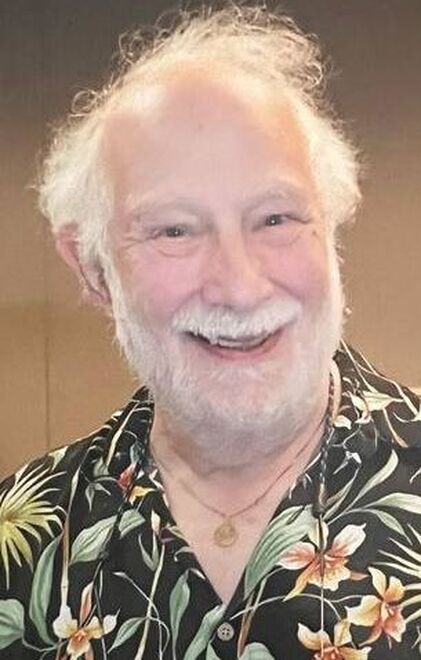
Stephen Mark Bernstein
August 20, 1942 - July 19, 2023 Austin, TX Stephen Mark Bernstein was born in Huntington, WV, to George and Belle Marion Bernstein. The family resided in Ashland, KY, until 1945 then moved to Charleston, WV, were Steve attended school, graduating from Charleston High School in 1960. Steve then attended and graduated from the University of Louisville, KY. Steve was in the Navy ROTC and upon graduation was commissioned an ensign in the Navy and trained as a pilot. Steve served in Vietnam flying an A-6 Intruder on 82 combat missions. In 1969, Steve earned a Masters Degree from Memphis State University and was hired at IBM where he was employed is software development. Steve was previously married to Leah Jane Stone. In 1984, he married his second wife Patricia with whom he had two daughters, Rebekah and Anna. The family moved to Austin, TX, in 1992. in Austin, Steve was an active member of Agudas Achim. Steve had wonderful memories of growing up in Charleston and the B'nai Jacob community. He fondly remembered his teachers, Rabbi Cooper and fellow congregants with great affection. -Pat Bernstein |
|
|
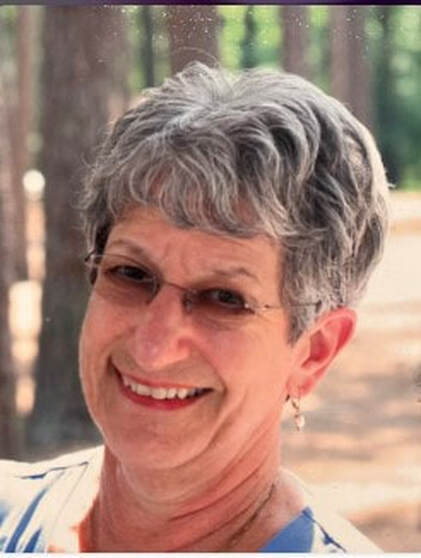
Valerie Binderman Zimba
July 30, 1941 — June 16, 2023 Rock Hill, SC Valerie was born July 30, 1941 in Beckley, West Virginia, the second child of William and Beatrice Binderman. She was a quintessential wartime baby, the trailing end of the Silent Generation, born while her father was serving in the Pacific Fleet. After graduating from Woodrow Wilson High School as a member of the class of ’59 she moved west to attend San Diego State. It was there she met a young Navy Shore Patrol officer, Walter Zimba (b. 1938 – d. 2023). After he was discharged from service they made their way by auto back to her hometown and in true mid-1960’s fashion were married en-route in Las Vegas, Nevada. Valerie and Walter had two children, Andrew who currently resides in Rock Hill, South Carolina, and Joel who resides in Baltimore, Maryland. Unfortunately, everlasting marital bliss was not in the cards for Valerie. She and Walter divorced in 1980. She never remarried. What she did do was raise two boys through the 80’s as a single mom. This was an economically rough time in West Virginia, and Valerie worked very hard in her father’s business to support her kids into their college years. Around this time another tragedy struck, this one medical instead of marital – Valerie was diagnosed with breast cancer. Ever the fighter, Valerie soldiered through chemotherapy and a single mastectomy. This was when she began walking daily (a routine she kept until very recently), and her healthy diet obsession (though she did have a weakness for ice cream 😊). She was the mailing list and email address keeper for the Woodrow Wilson Class of ’59 Alumni Association. Around 2011 she moved to Newport Lakes in Rock Hill, South Carolina, just a few miles from her oldest son Andrew and his family. Here she had something that wasn’t available to her in Beckley – a large, close community to be a part of. A place to walk and talk with neighbors, something she truly valued. Those who knew her during this period probably noticed somewhere along the way that she had begun mis-remembering things and re-telling stories you had already heard. This was the start of her journey with Alzheimer’s. As with breast cancer before, she was a fighter and carried on, determined to stay in her own home and live unassisted. Even after being diagnosed with a recurrence of her breast cancer 2018, she remained fiercely independent. Valerie passed away in her own home around 7:00 p.m. on June 16, 2023. She is survived by her older brother Philip, niece Rachel, youngest son Joel, eldest son Andrew, and grandchildren Zachary and Fallon. She will be making her final journey back home to Beckley to lie beside her parents. Graveside services will be 2:00 p.m. Tuesday, June 20, 2023 at Sunset Memorial Park with Rabbi Joe Blair officiating. We will be making donations in her name to the Alzheimer’s Association (https://act.alz.org/) and the American Cancer Society (https://donate.cancer.org/), and invite you to do so as well if you are able. Graveside Service, Tuesday, June 20, 2023. Starts at 2:00pm (Eastern time) at the Sunset Memorial Park, 1925 Harper Road Beckley, WV, 25801 |
|
|
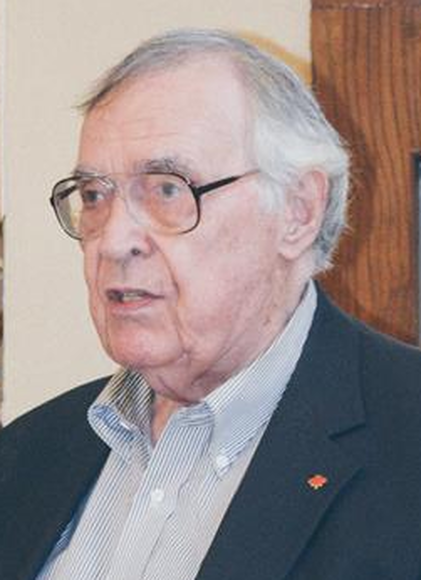
Allan Stanley Tweddle
May 2, 2023 Charleston, WV Dear Congregants, It is with sorrow and sadness that we inform you of the passing of Allan Tweddle who was taken from us on May 1st, 2023, at the age of 90. Born in Canada and immigrating to Southern California, he eventually made West Virginia his home and became part of the fabric of both Temple Israel and B'nai Jacob Synagogue. He is survived by his wife of almost 40 years, Barbara Braun Tweddle. A graveside service will be held for Allan on Thursday May 4th at 1:00 PM at the B’nai Jacob Eternal Home Cemetery, in South Charleston. May the Holy One, Blessed Be G-d, comfort the Tweddle family among all the mourners of Zion and Jerusalem. Rabbi Victor Urecki |
|
|
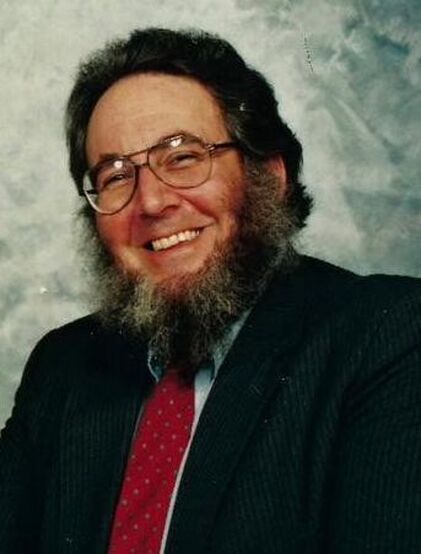
David Hark
April 27, 2023 Shepherdstown, WV Dear Congregants, It is with deep sadness that we inform you of the passing of David Hark who was taken from us on April 27, 2023, at home. David grew up in Charleston and was preceded in death by his father, Israel L Hark, mother Tessie Rubenstein Hark & nephew Allen Lee Hark. He is survived by his wife Katherine Moyers Hark, brother Ben (Jane) of Charleston, WV, niece Laura Hark Plumley of Shady Spring, WV and many in-laws from Gilmer County, WV. A private graveside service with immediate family will be Sunday, April 30, 2023, 2:00 PM at the B’nai Israel Cemetery, within the Spring Hill Cemetery. May the Holy One, Blessed Be G-d, comfort the Hark family among all the mourners of Zion and Jerusalem. Rabbi Victor Urecki |
|
|
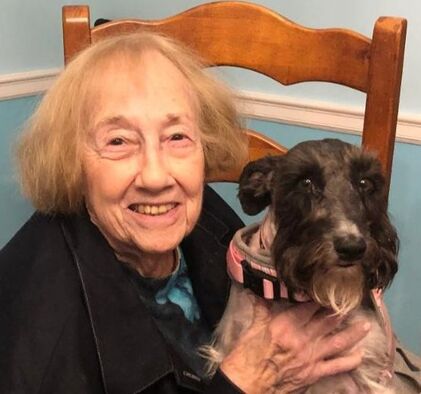
Doris Gotlieb Goldfarb
April 2, 2023 Charleston, WV Dear Congregants, It is with deep sadness that we inform you of the passing of our beloved friend and longtime member of both Temple Israel and B'nai Jacob Synagogue, Doris Goldfarb. Doris is survived by her husband of 68 years, Jack, their sons Glenn (Pam) Goldfarb, Daniel, and Bruce (Beverly), three grandchildren, and four great-grandchildren. The graveside funeral service for Doris will take place on Tuesday, April 4th at 2:00 PM at the B'nai Jacob Eternal Home Cemetery, in South Charleston. A shiva minyan will take place immediately following burial at the home of Laura and Jace Goins. May the Holy One, Blessed Be G-d, comfort the Goldfarb family among all the mourners of Zion and Jerusalem. Rabbi Victor Urecki |
|
|
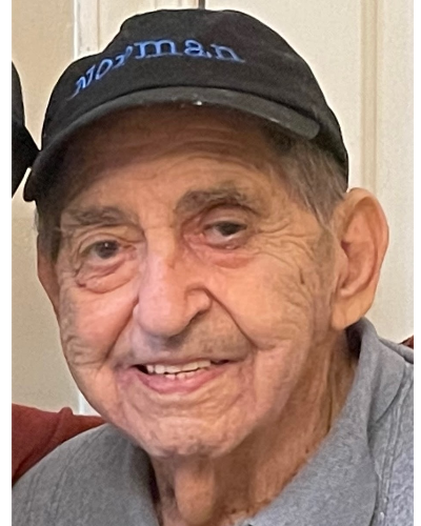
Norman Marks
April 8, 2023 Richmond, VA Dear Congregants, It is with deep sorrow and sadness that we inform you of the passing of our dear friend and lifelong member of B'nai Jacob Synagogue, Norman Marks in Richmond, Virginia. Norman is survived by his loving wife of 68 years, Marsha, children Steven (Joan) of Poquoson, Virginia, Roger (Robbie) of Denver and Debi of Richmond, and Karen of Denver; four grandchildren and two great-grandchildren. He was preceded in death by his parents, Fred and Florence Marks, and his brother, Harold. The funeral service for Norman will take place on Tuesday, April 11th at 11:00 AM at the Barlow Bonsall Funeral Home with burial at the B'nai Jacob Eternal Home Cemetery, in South Charleston. Following the service, the family will come to B'nai Jacob to receive friends and visitors. Because of Passover, Shiva will not begin for the family until after the holiday has concluded. May the Holy One, Blessed Be G-d, comfort the Marks family among all the mourners of Zion and Jerusalem. Rabbi Victor Urecki |
|
|
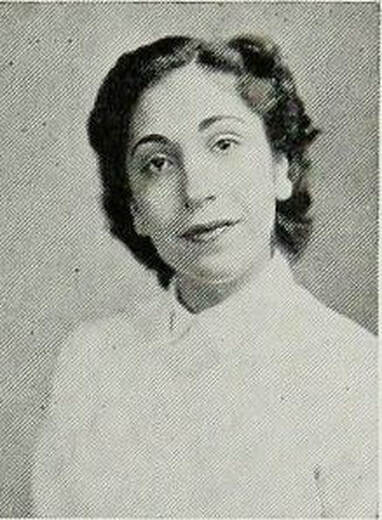
Sally Spiegel
April 2, 20233 Charleston, WV Dear Congregants, It is with deep sorry that we inform you of the passing of our longtime friend and member of B'nai Jacob Synagogue, Sally Spiegel. Sally will be remembered and cherished by her children Richard (Wendy) Spiegel, Nancy Spiegel, and her three grandchildren. At Sally's request, there will be a private family burial this week. May the Holy One, Blessed Be G-d, comfort the Spiegel family among all the mourners of Zion and Jerusalem. Rabbi Victor Urecki |
|
WONDERING JEWS
Introducing: Wondering Jews
The One Stop For All Things Jewish in West Virginia
Wondering Jews, Inc. is a nonprofit organization with the goal of connecting people who are
physically or geographically challenged with the wide variety of educational, service,
and faith activities in the local West Virginia Jewish congregations.
Moe and Janie Rubenstein have created a unique website which will allow all congregations and Jewish organizations who wish to announce activities and programs of interest for Jews throughout West Virginia.
We have seen at B'nai Jacob how Zoom has opened the door to those who are challenged to allow people
in isolation to join and be a part of our B'nai Jacob family.
I am proud to announce that the website is now live and will offer us
and Jews around our state an opportunity to further connect and be together.
You can even sign up for the American Jewish Committee program on that platform as well.
Check out Wondering Jews in the months to come and in the words of the Machzor (High Holiday Prayerbook),
may we all be bound together, connected to each other.
Check out Wondering Jews here
The One Stop For All Things Jewish in West Virginia
Wondering Jews, Inc. is a nonprofit organization with the goal of connecting people who are
physically or geographically challenged with the wide variety of educational, service,
and faith activities in the local West Virginia Jewish congregations.
Moe and Janie Rubenstein have created a unique website which will allow all congregations and Jewish organizations who wish to announce activities and programs of interest for Jews throughout West Virginia.
We have seen at B'nai Jacob how Zoom has opened the door to those who are challenged to allow people
in isolation to join and be a part of our B'nai Jacob family.
I am proud to announce that the website is now live and will offer us
and Jews around our state an opportunity to further connect and be together.
You can even sign up for the American Jewish Committee program on that platform as well.
Check out Wondering Jews in the months to come and in the words of the Machzor (High Holiday Prayerbook),
may we all be bound together, connected to each other.
Check out Wondering Jews here
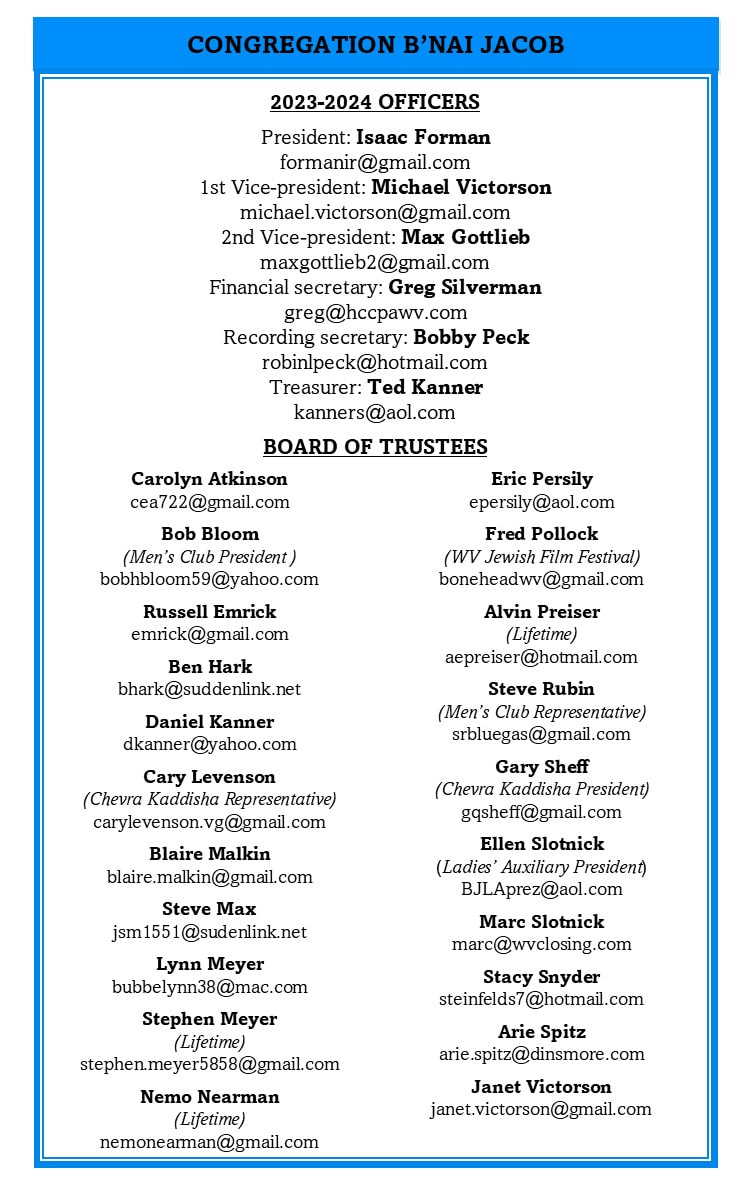
congregation b'nai jacob BOARD of officers
sign up for rabbi urecki E-newsletter
